Pleasure Plates
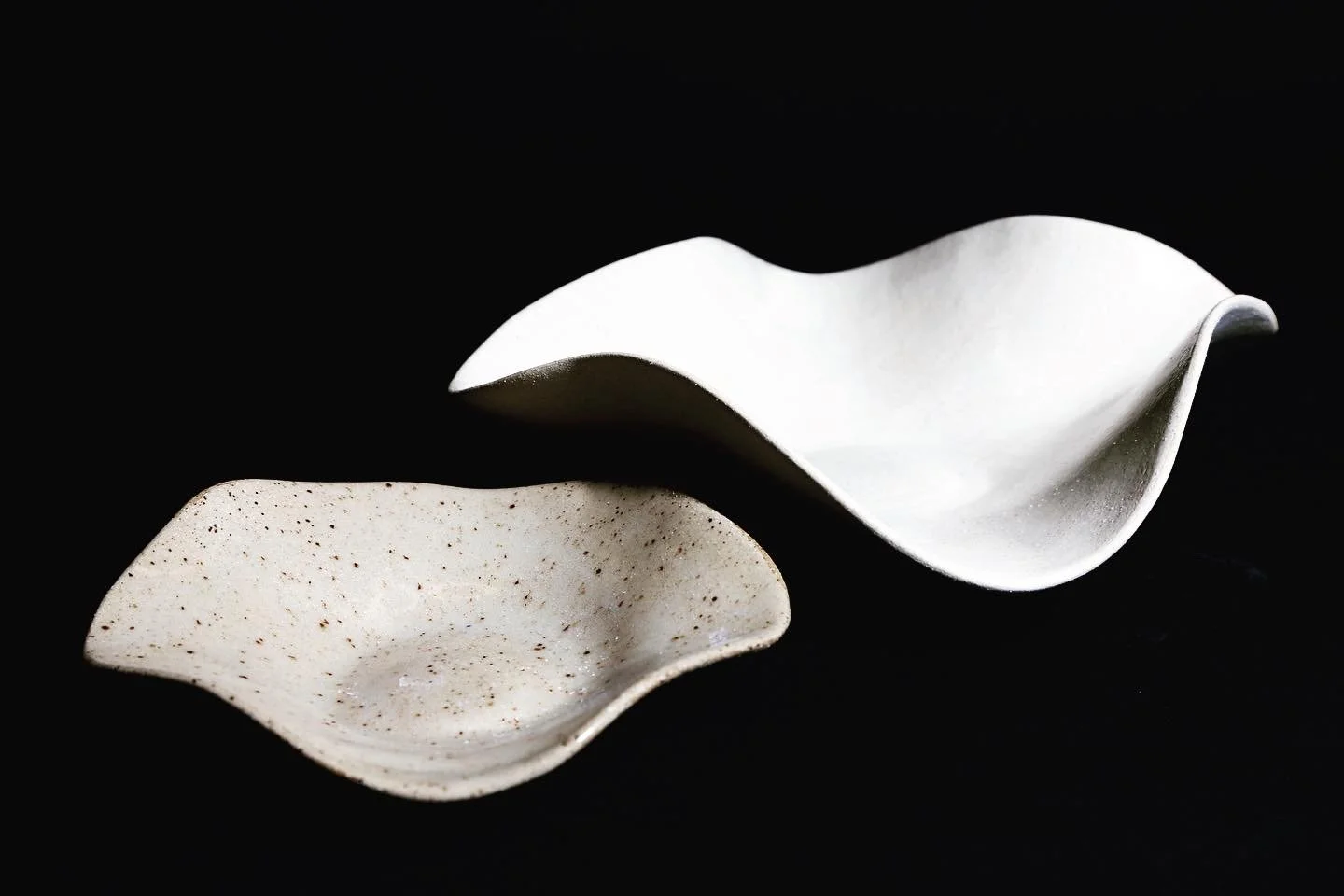
Hand Formed Ceramic Stoneware
During my freshman year, following a diagnosis of achalasia—a rare disorder that restricts the movement of food and liquid through the esophagus, medical recommendations emphasized slow eating before a highly invasive surgery. This adjustment that initially felt restrictive but ultimately reshaped my relationship to food.
Through this experience, I became more aware of the sensorial dimensions of eating—texture, pace, touch, and presence— Senior year I began researching ways to encourage a more pleasurable and mindful dining experience for others that where struggling with eating like myself. Working with ceramics allowed for an intimate connection between maker and material, reinforcing the relationship between hand, object, and body.
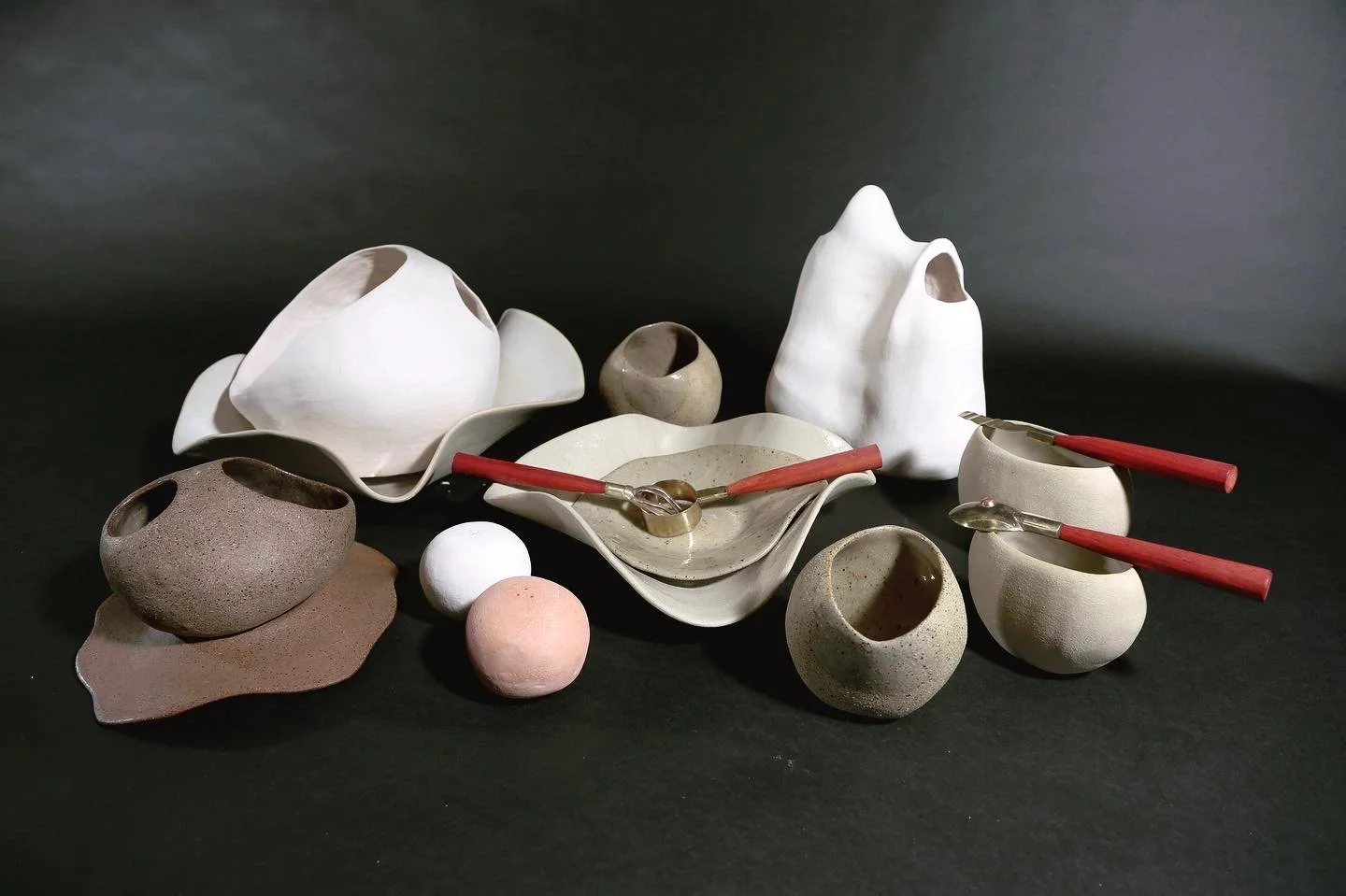
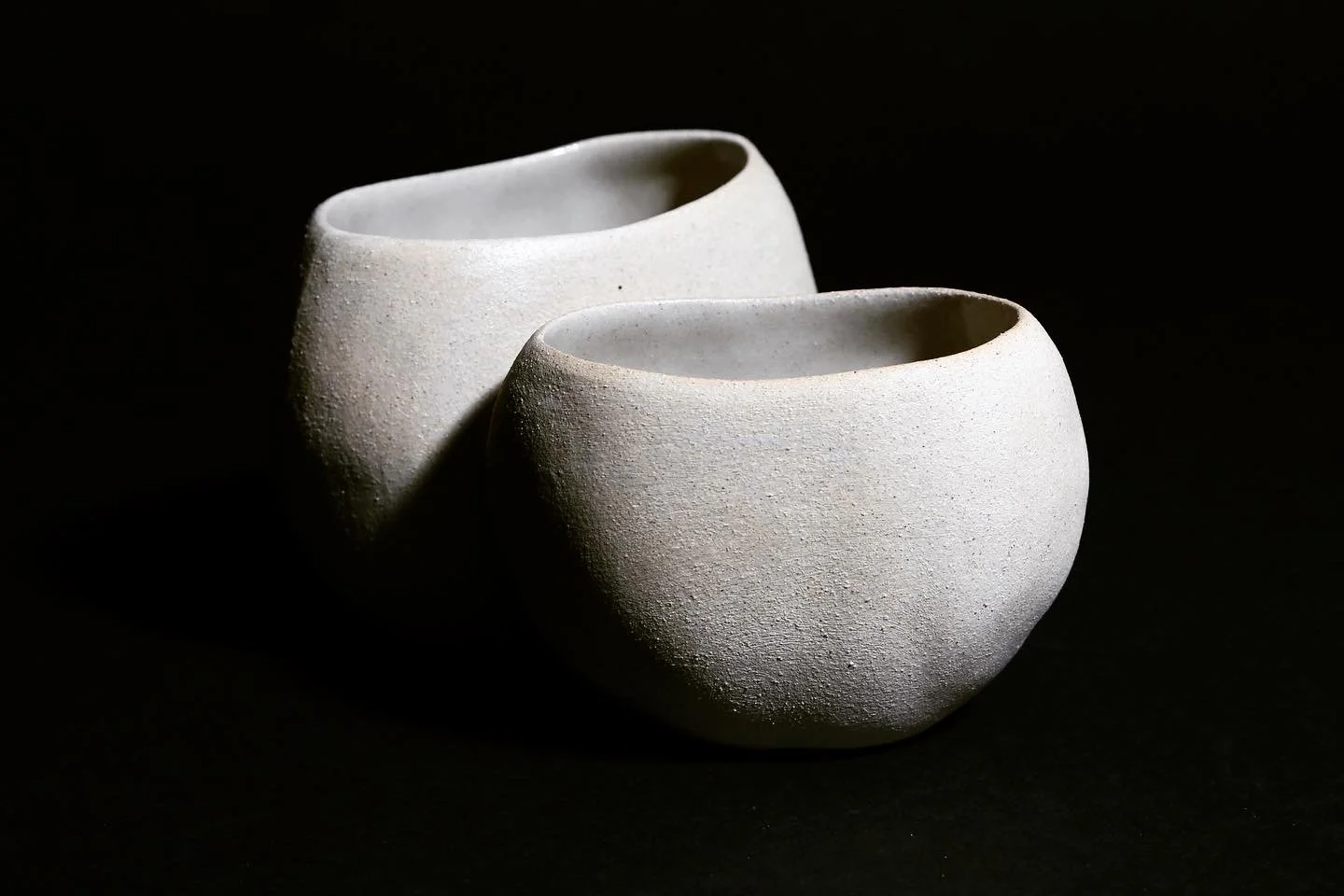
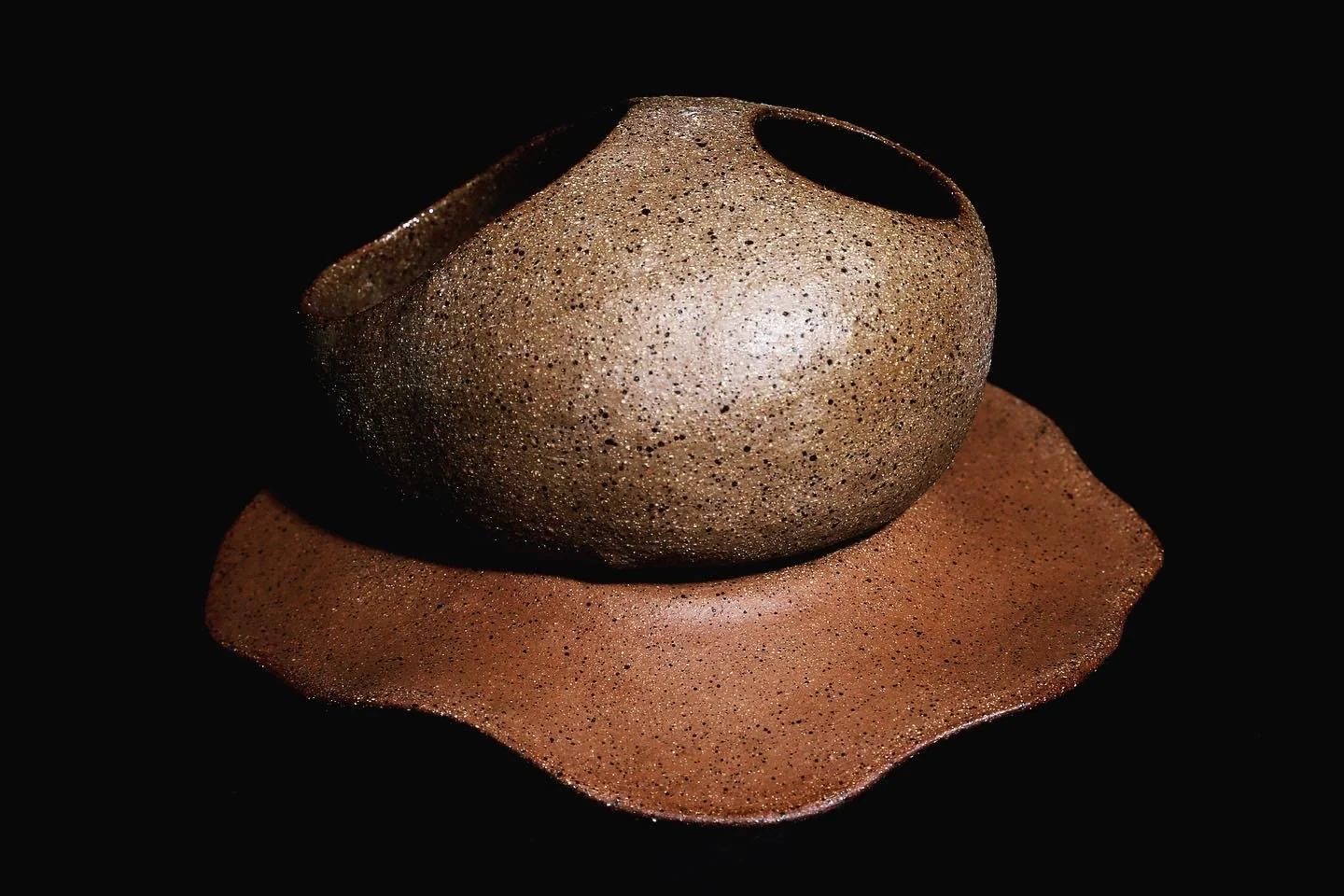
The collection is made from stoneware, with a clear glaze applied to interior surfaces and any areas that come into contact with food or liquid. Surfaces designed to meet the hands are intentionally left unglazed, emphasizing tactility and direct contact with the material. The forms are shaped with ergonomics in mind, encouraging comfortable handling and a slower, more attentive eating experience.
Designed to be universally accessible, the collection avoids prescribed table manners or traditional eating styles. To test the work, I gathered a diverse group of individuals to prepare and share meals rooted in their respective cultures, using the plates as part of the experience. These shared meals offered both user testing feedback and moments of connection.
Pleasure Plates is not solely for those navigating eating disorders, but for anyone seeking a slower, more fulfilling relationship with food. The collection invites users to be present—to taste, smell, and engage playfully with the act of eating.